
Remember when you first installed those cameras outside your office? You probably thought you’d sorted out security for good. Well, here’s the thing: what passed as acceptable back then might not fly anymore. And honestly, we’ve seen too many business owners get blindsided by this.
The government wants surveillance systems that actually work when you need them. But here’s where it gets tricky. Those older cameras you installed? They’re probably not recording at the resolution that’s now mandatory. The way you’re storing footage? Might not meet current encryption standards.
The Dubai CCTV regulations for businesses now cover everything from where you can point your cameras to how long you keep recordings. Privacy laws have gotten stricter, and for good reason. You can’t just stick a camera wherever you fancy. People have rights, and regulations make sure businesses respect them while maintaining security.
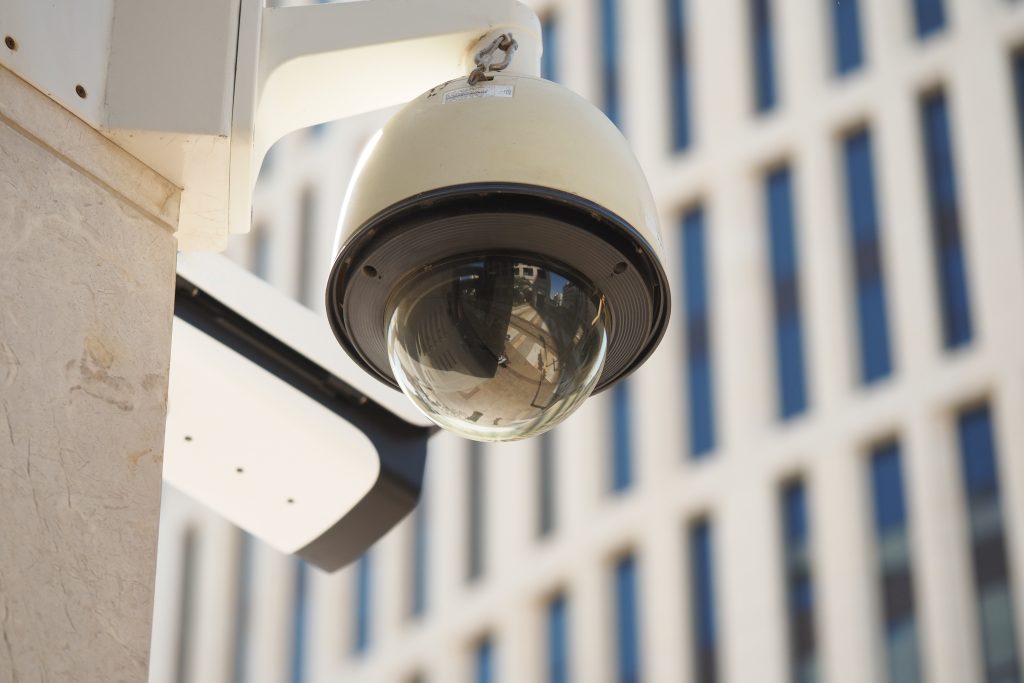
Why Should You Actually Care?
You might be thinking, “Great, more government paperwork.” But hear us out. This isn’t just bureaucratic nonsense. The CCTV legal requirements in Dubai exist because they learned from what went wrong elsewhere.
Think about it. You’ve invested thousands of dirhams in your security system. Now imagine something happens: theft, an accident, a dispute. You pull up your footage, feeling confident. Then you find out courts won’t accept it as evidence because your system doesn’t meet standards. All that money was completely useless when you needed it most.
And that’s before we talk about the penalty for non-compliant CCTV in Dubai. Fines start around AED 5,000 for basic violations. But serious breaches can push that number way higher. We’ve heard of cases hitting AED 50,000 or more.
But honestly? The fines aren’t even the worst part. Your business license can get suspended until you sort things out. The café owner we mentioned? He had to shut down for a week. Calculate what that costs in lost income, stressed employees, and disappointed customers.
The SIRA Factor You Can’t Ignore
Here’s something that catches people off guard: the SIRA-approved CCTV camera list. SIRA maintains this registry of cameras that meet its standards. It gets updated regularly because technology keeps moving forward. The camera model you bought three years ago might’ve been fine then, but it might not be on the current list.
Why does this matter? Because increasingly, using approved equipment isn’t optional. It’s required. And the SIRA CCTV regulations 2026 have made this even more explicit. They want cameras that can actually capture clear, useful footage.
Storage requirements have gotten more specific. You need to keep footage for set periods, usually 30 to 90 days, depending on your business. Recordings must be encrypted and secure. Access needs to be logged so you know who’s viewing what and when.
Where Most People Get It Wrong
Camera placement trips up more people than anything else. Many businesses accidentally record their neighbours’ property or public areas that they shouldn’t be filming. The CCTV compliance for offices in Dubai is clear: you can only record your own space. Bathrooms, changing rooms, prayer areas? Off-limits. Yet we still see systems that violate these rules.
Data security is another big issue. Your cameras capture sensitive information about people’s movements. The CCTV legal requirements in Dubai demand proper cybersecurity. Default passwords, unencrypted storage, systems accessible from anywhere without security, these create instant failures. And given how hackers operate, they’re genuine risks too.
Documentation gets overlooked constantly. Everyone focuses on equipment and forgets paperwork. You need installation certificates, maintenance logs, access records, and privacy policies. The Dubai CCTV regulations for businesses require proof of ongoing compliance through documentation.
Equipment age matters more than you’d think. That system you installed five years ago? Technology has moved on. Older equipment often can’t provide features that current regulations mandate. And if your cameras aren’t on the SIRA-approved CCTV camera list anymore, you’ve got problems.
Getting Your System Right
Feeling anxious about your setup now? That’s good, it means you’re taking this seriously. And fixing compliance issues usually isn’t as painful as you’d imagine.
Regular reviews using a structured CCTV Maintenance Checklist can help ensure your system remains aligned with evolving standards while reinforcing the importance of CCTV repair & maintenance for business security. Routine inspections of camera clarity, storage health, encryption settings, access logs, and physical positioning reduce compliance risks and ensure your surveillance system actually performs when it matters most.
Start with a proper professional audit. Get someone who understands CCTV compliance with Dubai regulations to examine everything. They’ll review your cameras, storage, installation quality, data practices, and documentation. You’ll get a clear picture of where you stand and what needs fixing.
Equipment upgrades often form the bulk of the work. If your cameras aren’t meeting current standards, replacement becomes necessary. Modern systems offer features that genuinely improve security while meeting regulations. Better image quality, improved night recording, secure cloud storage, and smart analytics.
When existing equipment needs repairs, use SIRA-approved CCTV repair services in Dubai. Authorised technicians understand regulations and won’t accidentally create compliance problems while fixing something else.
Timing matters too. SIRA gives reasonable grace periods when introducing new requirements. But those windows close eventually. Waiting until the last minute creates unnecessary stress and costs more. Start early, and you’ll have breathing room.
Why Compliance Actually Helps Your Business
Compliance requires investment, yes. But treating it purely as a cost misses the bigger picture. The CCTV compliance for offices in Dubai requirements represent genuine security best practices.
Compliant systems perform better. The specifications in SIRA CCTV regulations 2026 are based on what actually works. High-resolution cameras provide clearer evidence. Proper storage ensures footage availability. Strong cybersecurity protects sensitive data.
Insurance considerations improve with compliance. Some providers offer discounts for certified systems. Even without direct discounts, compliance documentation strengthens your position during claims. Insurance companies take security seriously, and proven compliance shows them you do too.
Property values see real impacts from quality security. Residential properties command higher rents when residents know their safety matters. Commercial tenants increasingly demand that landlords demonstrate security compliance before signing leases.
Your Next Move
If your system hasn’t had a compliance review lately, now’s the time. Don’t wait for an inspection or penalty. Get professionals who understand CCTV legal requirements in Dubai to assess everything. Understand where you stand and your timeline.
The regulatory landscape won’t freeze after 2026. As technology advances, expect Dubai CCTV regulations for businesses to keep adapting continuously. Building compliance into security planning makes future upgrades easier.
So, is your CCTV system compliant with new regulations? For many properties, the honest answer is probably no or uncertain. But uncertainty creates real risk. Your surveillance exists to protect your property and people. Ensuring it meets CCTV compliance Dubai regulations protects that protection properly.