
Running a business in Dubai? Then you already know the drill. It’s fast-paced, it’s hyper-competitive, and protecting your physical assets is just part of the daily grind. But let’s be completely honest for a second. When you actually sit down to figure out your corporate security setup, it gets overwhelming really fast. You end up staring at a wall of technical specifications, networking jargon, and a dozen different brands claiming to be the absolute best. Suddenly, figuring out exactly how to choose office CCTV feels like you need a master’s degree in network engineering just to buy a few cameras.
You aren’t alone here. A lot of operations managers and business owners hit this exact same wall. They just want to know the best office CCTV type to buy without overspending on flashy features their team will never actually use. Consider this article your straightforward, no-nonsense office CCTV guide. We are going to cut straight through the tech speak, look at the different types of CCTV cameras available on the market, and figure out what actually works best for Dubai’s unique corporate spaces.
Start with Your Actual Workspace
Before you drop a single dirham on hardware, you need to take a walk around your office. A boutique creative agency operating out of a small loft in D3 doesn’t need the exact same surveillance setup as a massive logistics firm in JAFZA. So, how to choose office CCTV setups that actually fit your daily operations? It’s all about context and environment.
Think about your lighting situations throughout the day. That gorgeous, sun-drenched reception area with the massive floor-to-ceiling windows? It looks great to clients, but it is going to be completely blind with a cheap camera lens during the afternoon. You’d need a camera equipped with Wide Dynamic Range (WDR) to handle that heavy glare. On the flip side, a dimly lit IT server room needs solid infrared (IR) night vision to be of any use.
When you are evaluating any specific CCTV camera type for office environments, you have to balance the room’s physical traits with your overall security goals. Do you want the cameras to be super obvious to scare off potential intruders? Or do you want a highly discreet office CCTV type that doesn’t make your employees feel like they are starring in a reality TV show? This is exactly why a lazy, one-size-fits-all approach just doesn’t work, and why any genuinely helpful office CCTV guide will tell you to map out your high-traffic zones and blind spots first.
The Features That Actually Matter
Now, let’s talk about the features that separate the good systems from the useless ones. You want to future-proof your investment here. Nobody wants to rip out cables and replace failing hardware every two years. Here are the core factors you should be looking at when figuring out how to choose office CCTV equipment:
- Image Resolution: Grainy, pixelated footage is worse than having no footage at all. If an incident happens, you need to be able to clearly identify faces or read a badge, not just look at blurry shapes. Go for 4MP or 5MP at a minimum. It’s basically the baseline standard for any decent office CCTV type today.
- Storage and Integration: Are you keeping your video data on a physical Network Video Recorder (NVR) safely locked in your IT closet, or are you moving to a secure cloud-based system? Make sure the CCTV camera type for office setups you are looking at plays nicely with your company’s existing network infrastructure.
- Remote Mobile Access: Business doesn’t stop when you leave the building. Modern systems from brands like Hikvision and CP Plus offer robust mobile apps. This allows management to quickly check in on the premises right from their smartphones, no matter where they are in the world.
- SIRA Compliance: This is absolutely non-negotiable if you are operating in Dubai. The Security Industry Regulatory Agency has very strict, specific rules regarding commercial surveillance. If your chosen hardware doesn’t meet these legal standards, you are looking at potential fines and massive insurance headaches.
Breaking Down the Hardware
Alright, let’s get into the actual hardware on the shelves. Understanding the different types of CCTV cameras is the secret to getting your floor plan coverage right without buying unnecessary gear.
First up, Dome cameras. These are those sleek, circular ones you typically see mounted on ceilings. They are incredibly popular in corporate settings because they are very discreet and blend easily into standard drop ceilings. Plus, the tinted glass dome makes it notoriously difficult for anyone to tell exactly which direction the lens is pointing. If you need a low-profile camera for a lobby, a retail floor, or an open-plan workspace, this is usually your safest bet.
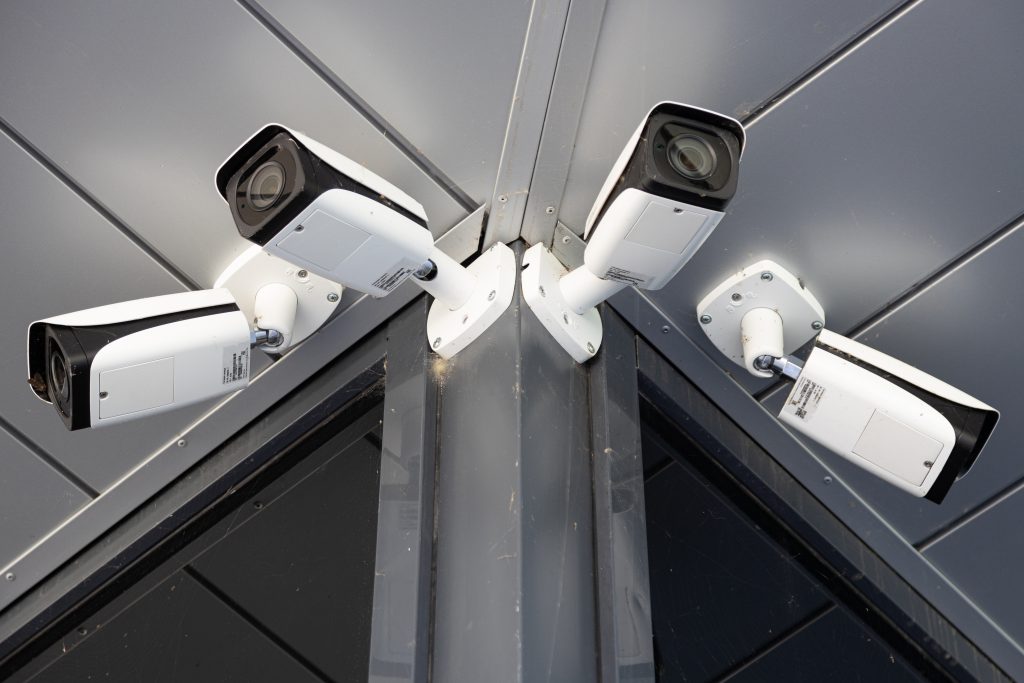
Then you have Bullet cameras. These are the highly visible, cylindrical units that stick out from the wall. They practically scream “you are being watched,” which makes them a fantastic visual deterrent against theft or vandalism. Because they are easy to weatherproof, they are the go-to choice for monitoring long hallways, outdoor parking lots, and loading docks.
Finally, regardless of the shape, almost everything you buy nowadays should be an IP/Network camera. Instead of relying on old-school, analog coaxial cables, these cameras transmit high-quality digital video straight over your local internet network.
Beyond the Purchase: Installation and Upkeep
Buying the right cameras is honestly just step one. Thinking you or your maintenance guy can just tape them to the wall over the weekend is a terrible idea. Professional CCTV installation in Dubai ensures that your new cameras are angled perfectly to eliminate sneaky blind spots and that all the messy cabling is neatly hidden away to maintain your office’s professional look. It also ensures the network is secure from outside hacking attempts.
But what happens six months down the line? It gets insanely hot. Electronic equipment takes a serious beating out here. Neglecting your system once it’s turned on is a massive operational risk. That’s exactly why signing up for reliable CCTV maintenance services in Dubai is just smart, proactive business management.
To keep everything running smoothly, your team needs a rock-solid CCTV maintenance checklist for businesses. A proper routine should look something like this:
- Lens Cleaning: Regularly wiping away the dust, sand, and grime so your expensive 4K camera doesn’t suddenly look like a webcam from 1998.
- Connection Checks: Physically testing all network cables, ethernet ports, and power supplies to catch any fraying or loose connections before they cause the video feed to drop entirely.
- Storage Health Monitoring: Checking the NVR to ensure the hard drives aren’t failing and that they actually have enough free space to record new footage over the old data.
- Firmware and Software Updates: Patching the camera’s internal software vulnerabilities so hackers can’t easily access your corporate network through an outdated security camera.
- Power Backup Testing: Ensuring the UPS backup batteries kick in seamlessly so a sudden power outage doesn’t completely blind your security team.
If your internal IT department is already way too busy fixing jammed printers and resetting passwords to handle this stuff, outsourcing your CCTV repair and maintenance for business security is the easiest way to go. It prevents tiny, unnoticeable tech glitches from turning into massive security breaches down the road.
Conclusion
At the end of the day, locking down the right surveillance system isn’t just about catching criminals in the act or preventing inventory theft. It’s about creating a genuinely safe, accountable, and productive space for your team to work in. By taking the time to really understand how to choose office CCTV, you are actively protecting your company’s bottom line.
Take a good look at your layout, pick the exact office CCTV type that suits your environment, and whatever you do, don’t skimp on the professional installation or the long-term upkeep. Get it right from day one, and you can focus on running your business instead of worrying about the cameras.